1724 State Rd, Suite 5D Summerville, SC 29486

Your dog cannot tell you when something feels off. That is the problem. By the time most pet owners notice a change in their dog’s behavior or appearance, a health issue has often been quietly developing for weeks or months. A consistent dog wellness exam schedule is the single most effective tool you have to catch those problems early, before they become serious. How often your dog needs to be seen depends heavily on their age and life stage. Puppies need frequent check-ins as they grow. Healthy adult dogs need at least one exam per year. Senior dogs often need two. Understanding what drives that schedule and what happens at each visit helps you make informed decisions for your dog’s long-term health.
How Often Should Dogs See the Vet?
Here is a straightforward breakdown based on life stage:
| Life Stage | Age Range | Recommended Visit Frequency |
| Puppy | 8 weeks to 1 year | Every 3 to 4 weeks until 16 weeks, then at 6 months |
| Adult | 1 to 7 years | Once per year |
| Senior | 7 years and older | Twice per year |
These are general guidelines. Dogs with chronic conditions, ongoing medications, or a history of illness may need more frequent visits regardless of age. Your veterinarian will help you determine the right cadence for your specific dog.
Establishing a dog wellness exam schedule early, before your dog shows any signs of illness, is one of the most impactful things you can do as a pet owner. Prevention is significantly less costly, financially and emotionally, than treating a condition that has gone undetected.
What Puppies Need in Their First Year
The first year of a dog’s life is one of the busiest times for veterinary visits, and for good reason. Puppies are growing fast, their immune systems are still developing, and they have a series of vaccinations to complete. Missing visits during this window can leave gaps in protection at the most vulnerable time.
A puppy wellness series typically begins around 8 weeks of age and continues every 3 to 4 weeks until the puppy reaches 16 weeks. After that, a visit around the 6-month mark addresses spay or neuter counseling, a final exam before the transition to adult care, and any remaining preventive needs.
Here is what happens during a typical puppy visit:
- Full physical exam from nose to tail, including heart and lung auscultation
- Intestinal parasite screening via fecal test
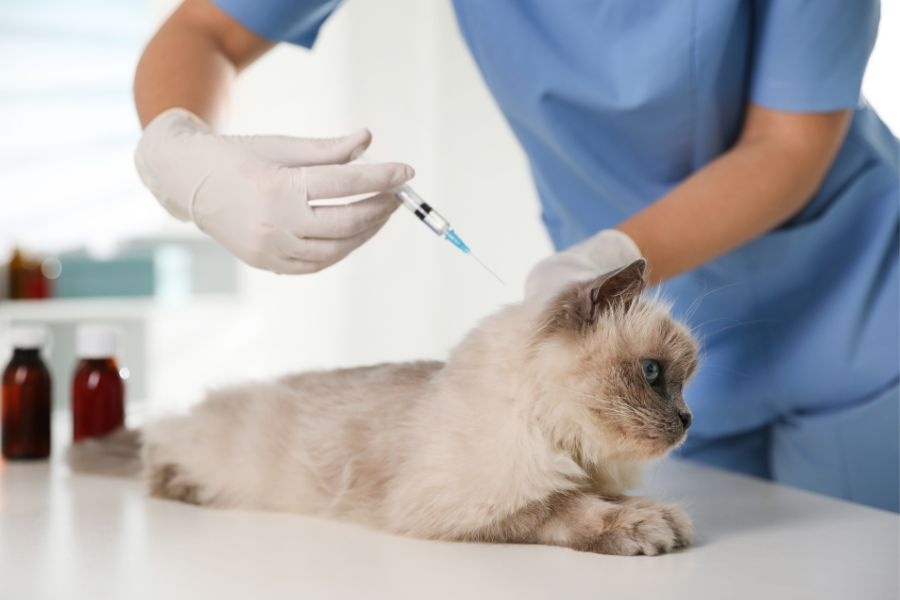
- Core vaccine administration on the appropriate schedule
- Heartworm prevention and flea and tick control discussion
- Nutrition and weight guidance for the breed and growth stage
- Behavioral development check and socialization tips
One pattern veterinarians see frequently: pet owners assume that because their puppy seems healthy and energetic, they can delay or skip a visit in the series. In reality, puppies can carry intestinal parasites and show no outward signs at all. Routine puppy vet visit frequency is not just about vaccines. It is about building a complete health baseline while the window is open.
Adult Dogs: Why the Annual Exam Still Matters
Once your dog reaches adulthood, typically around 1 year of age for most breeds, the visit cadence slows down. One comprehensive exam per year is the standard recommendation. Some pet owners view that single annual visit as optional if the dog seems healthy. That is a common misconception worth correcting directly.
Dogs age roughly 5 to 7 times faster than humans. A year between visits for your dog is not equivalent to a year between physicals for you. It is closer to 5 to 7 human years. A lot can change in that span, and many of the conditions that affect adult dogs, including thyroid imbalance, early dental disease, weight gain, and joint changes, develop gradually and quietly.
At an adult dog annual checkup, your veterinarian will complete:
- Full physical exam, including teeth, ears, eyes, coat, and lymph nodes
- Heartworm test and refill of preventive medications
- Fecal parasite screening
- Vaccine boosters as due based on the dog’s lifestyle
- Weight and body condition assessment
- Discussion of any behavioral or dietary changes you have noticed
Dogs in active households in South Carolina also face year-round exposure to heartworm-carrying mosquitoes, ticks, and intestinal parasites due to the warm, humid climate. That makes the annual exam particularly important here for staying current on parasite prevention.
Senior Dogs Need More Than One Visit Per Year
Dogs 7 years and older are considered senior, though large and giant breeds often reach that threshold earlier. As dogs age, the risk of conditions like arthritis, kidney disease, hypothyroidism, dental disease, and certain cancers increases significantly. Catching these conditions at an earlier stage consistently leads to better outcomes and a better quality of life.
For senior dogs, twice-yearly exams are strongly recommended. That twice-a-year cadence also allows the veterinarian to compare lab values over time, which is often where the most meaningful changes are first detected.
Senior dog vet visits typically include everything in a standard adult exam, plus:
- Bloodwork panel to assess organ function and blood cell counts
- Urinalysis to evaluate kidney health
- Blood pressure screening
- Arthritis and mobility assessment
- Targeted discussion of pain management options if needed
- Nutritional adjustments appropriate to the aging body
Dr. Haley Webster, DVM, Medical Director and Co-Owner of Sangaree Animal Hospital at Cane Bay, has seen firsthand how much a twice-yearly exam schedule changes outcomes for aging dogs. “With senior dogs, what looks like slowing down with age is often a treatable condition,” Dr. Webster notes. “We catch early kidney changes, thyroid issues, and pain from arthritis all the time in dogs whose owners thought they were just getting old. Earlier detection means more options.” Her commitment to keeping the bond between pets and their owners strong drives how the team approaches every senior visit.
What a Wellness Exam Actually Covers
Pet owners sometimes arrive expecting a wellness exam for dog to be a quick once-over. In practice, a thorough wellness visit covers far more than many owners realize.
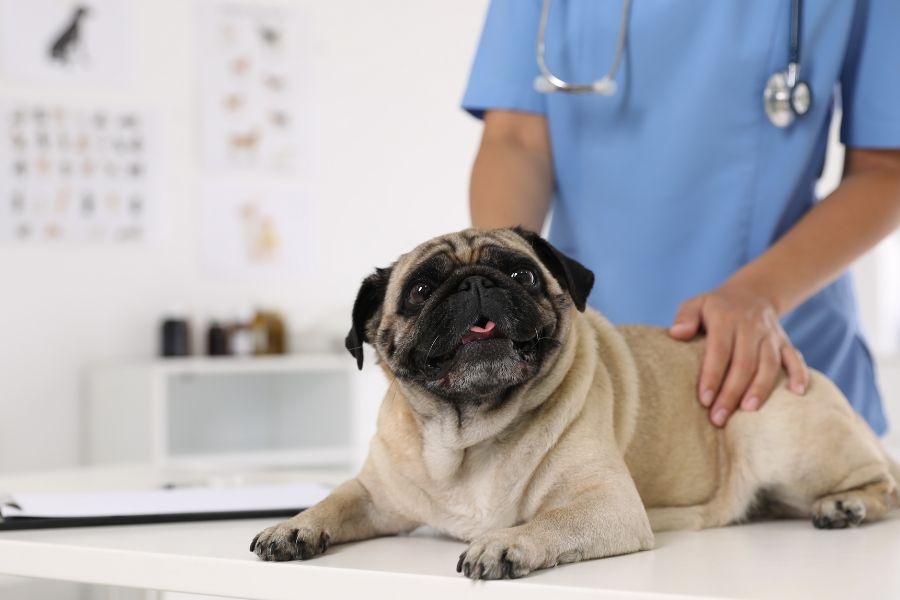
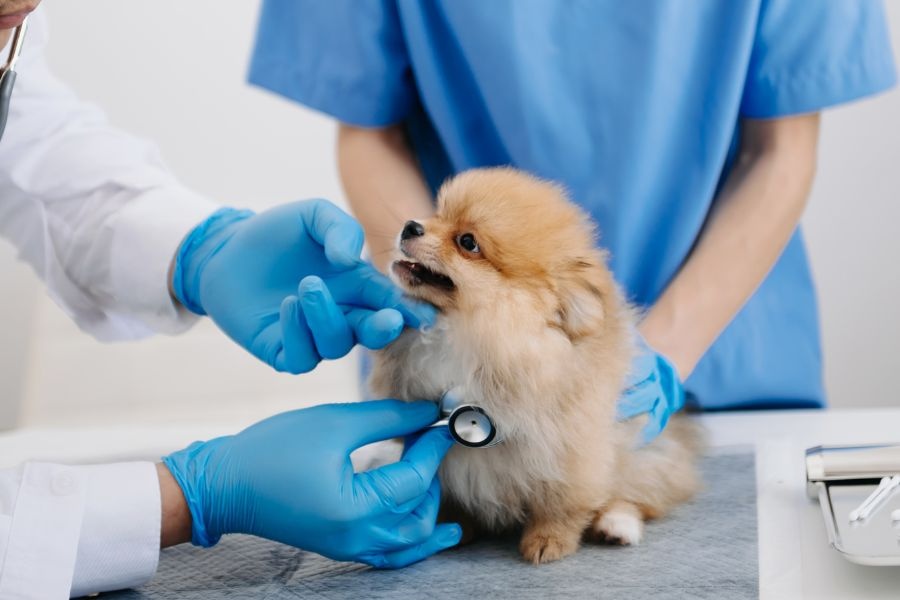
Your veterinarian will examine your dog from the tip of the nose to the base of the tail. That includes assessing the condition of the teeth and gums, the clarity of the eyes, the health of the ear canals, the texture and coverage of the coat, the feel of the abdomen for any organ enlargement or unusual masses, the range of motion in the joints, lymph node size, and heart and lung sounds through a stethoscope.
Beyond the physical exam itself, the appointment is also a dedicated window of time for the owner. Questions about diet, weight, behavior changes, activity levels, supplements, and anything else on your mind belong in this conversation. A good wellness visit is as much about the relationship between the veterinarian and the pet owner as it is about the physical examination.
In Summerville, SC, Sangaree Animal Hospital at Cane Bay offers comprehensive wellness exams tailored to each dog’s age, breed, and individual history. Whether you have a new puppy just starting its first visits or an older dog who needs more attentive monitoring, the team here is equipped to provide the continuity of care that keeps dogs healthier for longer.
Building a Wellness Routine Your Dog Can Count On
Consistent preventive care is one of the highest-return investments you can make in your dog’s health. Dogs that receive regular wellness exams are more likely to have conditions caught at a manageable stage, which typically means less intensive treatment and a better prognosis.
A few practical steps to build and maintain that routine:
- Set a calendar reminder tied to your dog’s birthday or adoption anniversary so the annual exam never slips
- Keep a running list of questions or observations throughout the year so nothing gets forgotten at the appointment
- Bring any previous medical records if you are visiting a clinic for the first time
- Note any changes in appetite, water intake, bathroom habits, sleep patterns, or activity level in the weeks before the visit
Senior dog vet visits deserve the same commitment. If your dog is 7 or older, schedule two appointments per year and treat them as non-negotiable.
A dog wellness exam schedule built around your pet’s life stage is the foundation of responsible ownership. When the visits happen consistently and the veterinarian knows your dog’s individual baseline, the care your pet receives becomes far more precise and far more effective. Book an appointment today.
Frequently Asked Questions
Q: How often should a healthy adult dog see the vet?
Ans: Healthy adult dogs between 1 and 7 years of age should see the vet at least once per year for a comprehensive wellness exam. Dogs with existing health conditions or those on long-term medications may need more frequent visits. Your veterinarian will advise you on the right schedule for your specific dog.
Q: When should my puppy start going to the vet?
Ans: Puppies should have their first veterinary visit around 8 weeks of age. After that, visits are recommended every 3 to 4 weeks until the puppy reaches 16 weeks to complete the core vaccine series. A follow-up visit around 6 months addresses spay and neuter counseling and any remaining preventive care needs.
Q: At what age is a dog considered senior?
Ans: Most dogs are considered senior at 7 years of age. Large and giant breeds, such as Great Danes and Mastiffs, often reach their senior years closer to 5 or 6 years. Once your dog enters the senior stage, twice-yearly wellness exams are recommended to stay ahead of age-related conditions.
Q: What does a dog wellness exam include?
Ans: A wellness exam includes a nose-to-tail physical examination covering the teeth, ears, eyes, coat, abdomen, lymph nodes, joints, and heart and lung sounds. It also typically includes parasite screening, heartworm testing, vaccine review, and a conversation about your dog’s diet, weight, behavior, and overall lifestyle.
Q: Why does my senior dog need to go to the vet twice a year?
Ans: Senior dogs face a higher risk of conditions like kidney disease, arthritis, thyroid dysfunction, and certain cancers. These conditions often develop gradually with few obvious early signs. Twice-yearly exams allow your veterinarian to run bloodwork, monitor trends in lab values over time, and catch changes early, when treatment options are typically more effective.