1724 State Rd, Suite 5D Summerville, SC 29486
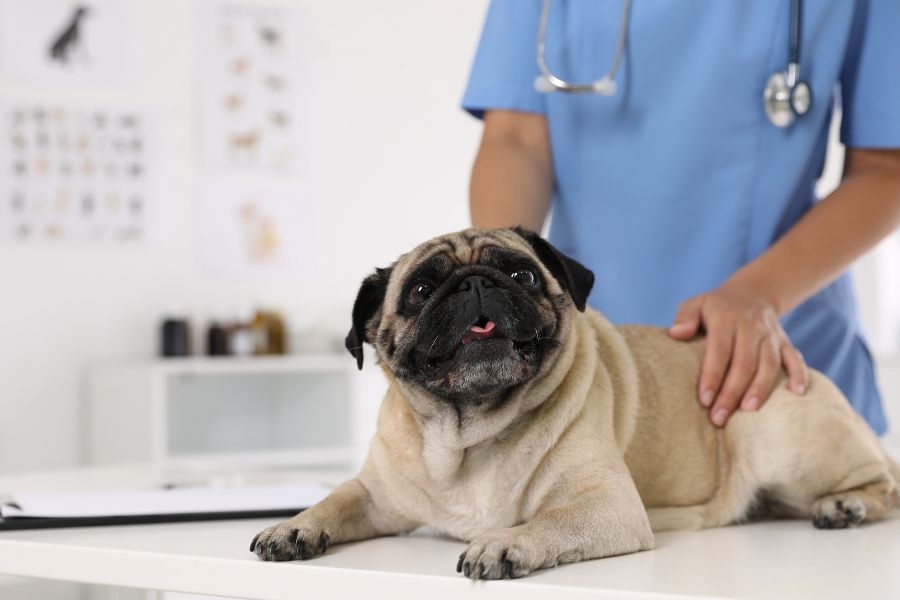
Your dog cannot tell you when something feels off. That is exactly why routine vet visits matter so much. Dogs every week whose owners had no idea a health problem was brewing. Early detection changes everything. Following a consistent dog wellness exam schedule is one of the most important things you can do for your pet. It protects their long-term health, keeps vaccines current, and gives your vet a baseline to catch changes before they become serious problems. Whether you have a new puppy, an active adult dog, or a senior companion slowing down with age, the right visit schedule makes a real difference. This guide breaks down exactly how often your dog should see the vet at every life stage.
What a Wellness Exam Actually Covers
A wellness exam is more than a quick weigh-in and a vaccine. It is a full nose-to-tail physical evaluation of your dog’s overall health.
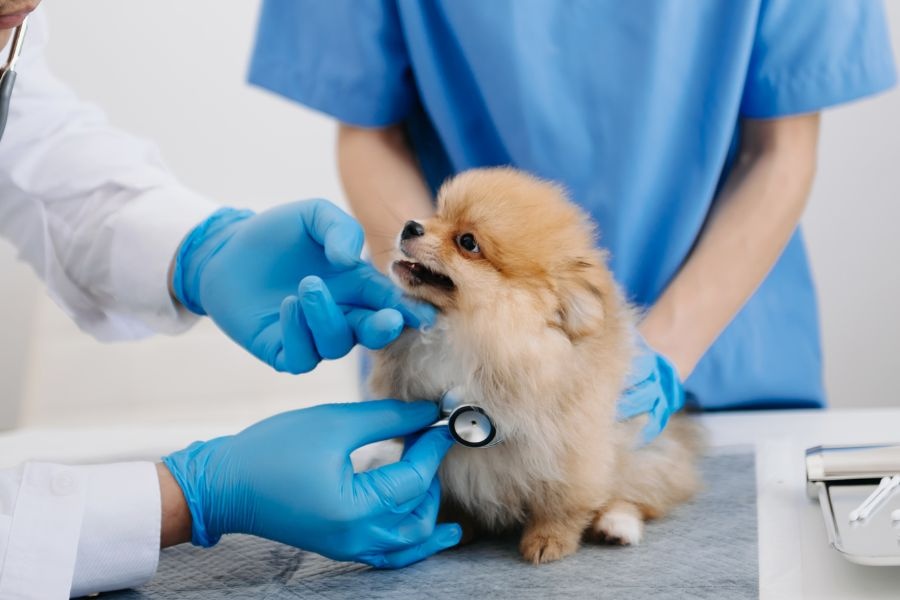
During a typical wellness visit, your vet will check your dog’s eyes, ears, teeth, coat, heart, lungs, abdomen, joints, and lymph nodes. They will review your dog’s weight, diet, and any behavioral changes you have noticed at home.
Wellness exams also give your vet a chance to update parasite prevention, recommend bloodwork, and screen for early signs of disease. Many conditions, including heart disease, kidney disease, and dental infections, show no obvious symptoms in the early stages.
One of the most common questions pet owners have is whether their dog really needs a vet visit if they seem perfectly healthy. The honest answer is yes. Preventive exams catch problems you cannot see or feel at home.
How Often Puppies Need to See the Vet
Puppies need the most frequent vet visits of any life stage. For the first few months of life, visits are typically scheduled every three to four weeks.
During this time, your puppy will receive a series of core vaccines, be tested and treated for parasites, and be evaluated for developmental issues. Your vet will also discuss spaying or neutering, microchipping, and early training tips.
The puppy vet visit frequency that AAHA recommends includes multiple appointments between 8 and 16 weeks, followed by a one-year wellness check. This early foundation supports healthy immune development and socialization.
In our experience, puppies that complete their full vaccine series and early wellness visits start adult life with far fewer health complications. Missing those early appointments creates gaps that are hard to close later.
Adult Dogs: Annual Vet Visits and What to Expect
Once your dog reaches adulthood, typically between one and seven years depending on breed, an annual vet visit is the standard recommendation that dog owners should not skip.
Once a year, your adult dog should have a full physical exam, updated vaccines as needed, a heartworm test, fecal screening for parasites, and a dental assessment. Your vet may also recommend bloodwork depending on your dog’s breed and health history.
Here in South Carolina, heartworm and tick-borne diseases are serious year-round concerns due to the warm climate. We frequently remind our clients that skipping heartworm prevention or annual testing puts their dog at real risk. This is not a once-in-a-while concern for dogs in our area.
Preventive pet care tips for adult dogs should also include keeping up with monthly flea, tick, and heartworm prevention between yearly visits. Consistency is the key.
Senior Dogs Need More Frequent Checkups
Dogs age faster than people do. A seven-year-old Labrador is not middle-aged in the way a seven-year-old human is. Most veterinarians recommend shifting to twice-yearly exams once your dog reaches the senior stage.
A senior dog health checkup typically includes more comprehensive bloodwork, blood pressure monitoring, joint assessments, and screening for organ function. Conditions like hypothyroidism, diabetes, arthritis, and kidney disease are far more common in older dogs.
Pet owners often tell us they did not realize how quickly their senior dog’s health shifted between visits. That is exactly why twice-yearly exams become so valuable. Catching a change in kidney values or an early thyroid issue allows for management that meaningfully extends quality of life.
According to the AVMA, routine preventive care for senior pets is one of the most effective tools for extending a healthy lifespan. The earlier a problem is found, the more options you have.
How to Stay on Track With Your Dog’s Vet Schedule
Staying consistent with vet visits takes a little planning, but it does not have to be complicated. A few simple habits keep your dog’s care on track year after year.
First, schedule the next appointment before you leave the clinic. Do not wait until you notice a problem to book. Second, keep a simple health journal for your dog. Note any changes in appetite, energy, water intake, or bathroom habits between visits.
Third, take preventive pet care tips from your vet seriously between appointments. This includes dental brushing, weight monitoring, and monthly parasite prevention. These habits support everything your vet does at each exam.
The senior dog health checkup schedule shifts to twice per year, so set a calendar reminder every six months for older dogs. Many pet owners in the Summerville area find that keeping vet visits paired with seasonal reminders helps them stay consistent without added stress.
At Sangaree Animal Hospital at Cane Bay, we build long-term relationships with our patients. We keep detailed records across every visit so we can track trends and catch changes early. That continuity is one of the most valuable parts of having a consistent veterinary home for your dog.
Conclusion
A consistent dog wellness exam schedule is one of the most valuable investments you can make in your pet’s health. Puppies need frequent early visits. Adult dogs thrive with annual vet visits dog owners commit to each year. Senior dogs benefit most from twice-yearly checkups that catch age-related changes before they become emergencies. Whatever life stage your dog is in, staying ahead of health issues with routine care saves time, money, and heartache down the road. The team at Sangaree Animal Hospital at Cane Bay is here to help you build a care routine that works for your dog’s specific needs. Book an appointment today.
Frequently Asked Questions
How often should a healthy adult dog see the vet?
Ans: A healthy adult dog between one and seven years old should visit the vet at least once per year. Annual exams include a physical evaluation, updated vaccines, heartworm testing, and parasite screening. In South Carolina, year-round parasite exposure makes consistent annual care especially important.
At what age is a dog considered a senior?
Ans: Most dogs are considered seniors around age seven, though larger breeds may show signs of aging earlier. Giant breeds like Great Danes may be considered senior as young as five or six years old. Your vet can help you determine when to shift your dog to a twice-yearly exam schedule.
What happens during a dog wellness exam?
Ans: A wellness exam includes a full physical assessment covering your dog’s heart, lungs, teeth, eyes, ears, coat, joints, and abdomen. Your vet will also review vaccines, parasite prevention, weight, and any behavioral changes. Bloodwork may be recommended based on your dog’s age and breed.
Why does my puppy need so many vet visits?
Ans: Puppies need multiple visits in their first few months because their immune systems are still developing. The puppy vet visit frequency is designed to complete a full vaccine series, screen for parasites, and evaluate development. Skipping early visits leaves gaps in protection that can lead to preventable illness.
Can I skip a vet visit if my dog seems healthy?
Ans: It is not recommended to skip annual wellness exams even if your dog appears healthy. Many serious conditions, including heart disease, kidney disease, and dental infections, show no obvious signs in early stages. Routine exams give your vet the chance to catch problems before they become harder and more costly to treat.