
1724 State Rd, Suite 5D Summerville, SC 29486
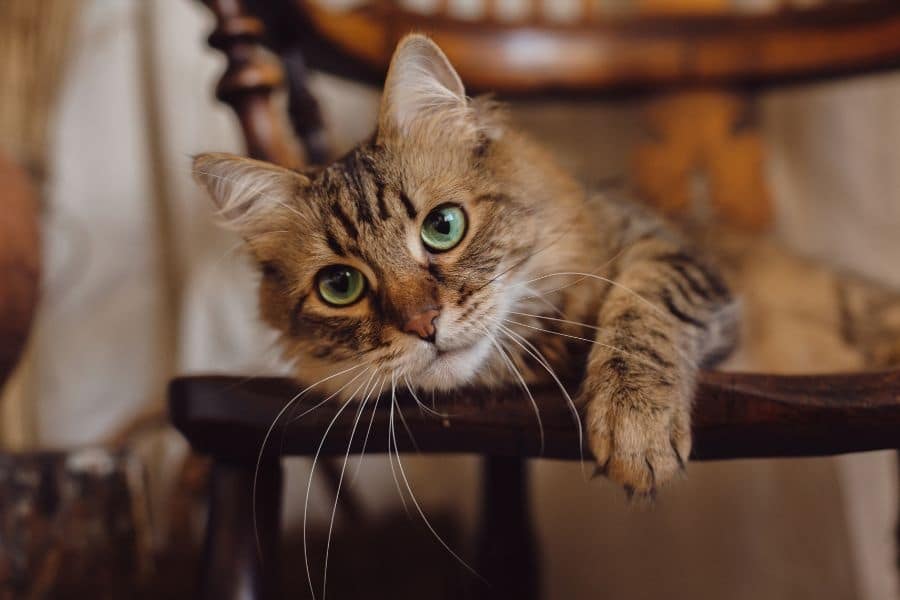
You watched your cat bat around a ribbon during playtime, then it vanished. Now you’re staring at an empty spot on the floor, wondering if your cat ate ribbon and what that actually means for their health. This is one of the most common calls we get, and it’s a fair thing to worry about. Ribbons, string, and thread are linear foreign objects, and they behave very differently inside a cat’s body than a swallowed toy or sock. Cats are drawn to these thin, dangling materials because they mimic prey. Unfortunately, that same texture can snag inside the intestines and cause serious damage within hours. Knowing what to watch for, and when to act, can make the difference between a simple at-home wait and a life-threatening emergency.
Understanding Linear Foreign Object Ingestion in Cats
A linear foreign object is any long, thin item, like ribbon, tinsel, thread, or yarn, that a cat swallows. Unlike a solid object that might pass on its own, string-like material can anchor itself around the base of the tongue or get caught further down the digestive tract. As the intestines try to move the object along, they can bunch up on themselves like an accordion. This bunching, sometimes called a linear foreign body obstruction, is one of the more common emergency surgeries performed in cats. Studies on feline gastrointestinal obstructions suggest string and ribbon ingestion account for a meaningful share of foreign body surgeries, particularly in cats under two years old.
Signs and Symptoms to Watch For
- Repeated vomiting, especially if it happens more than once in a day
- Loss of appetite or refusing treats your cat normally loves
- Lethargy or hiding more than usual
- Straining in the litter box without producing much
- Visible string hanging from the mouth or rear end, which should never be pulled
- Abdominal pain, shown as a hunched posture or reluctance to be picked up
Many cats we see with a linear foreign body show subtle signs at first, like skipping one meal, before symptoms escalate quickly. If you notice any of these signs, contact your veterinarian promptly.
Causes and Risk Factors
Kittens and young adult cats are the most frequent patients we see for this issue, largely because they’re more playful and less cautious around dangling objects. Ribbon left out after gift wrapping, holiday tinsel, sewing thread, and even dental floss are common culprits. Cats’ tongues have backward-facing barbs, which means once string enters the mouth, it’s nearly impossible for them to spit it back out. In Summerville, we see a seasonal spike around the winter holidays and birthdays, when ribbon and wrapping materials are more available around the house.
How It Is Diagnosed and Treated
A veterinarian will typically start with a physical exam, checking under the tongue where string often catches. Abdominal X-rays or ultrasound can reveal bunched intestines or a visible object, though the string itself doesn’t always show up clearly on X-ray. If a blockage is suspected, treatment usually follows this path:
- Stabilization with IV fluids if your cat is dehydrated or in shock
- Imaging to confirm the location and severity of the obstruction
- Endoscopy to retrieve the object if it’s still in the stomach
- Surgery if the object has moved into the intestines or caused bunching
- Post-procedure monitoring and a gradual return to normal food
In our experience, cats who receive treatment before the object migrates into the intestines have a much smoother recovery than those who wait. Pet owners in Summerville ask us this same question every year, especially around the holidays.
When to Seek Urgent Pet Care
If you saw your cat eat a ribbon, or you strongly suspect it, this is not a wait-and-see situation. In our experience, waiting even a day can turn a simple retrieval into major surgery. This is exactly the kind of case that calls for urgent pet care rather than a routine appointment. At Sangaree Animal Hospital at Cane Bay, we regularly walk Summerville pet parents through this exact scenario and help them understand what to expect at each step. Call us at 843-482-0865 when your pet needs urgent care, especially if you notice vomiting, straining, or visible string.
If your cat is acting completely normal after swallowing a small piece of ribbon, your vet may recommend monitoring at home for a short window. But any sign of vomiting, lethargy, or straining means it’s time for a same-day vet visit. Trust your instincts here. Pet owners across Summerville often tell us they knew something was wrong before the symptoms were obvious, and that early instinct is usually right. The team at Sangaree Animal Hospital at Cane Bay is here whenever that instinct kicks in. Book an appointment today.
Frequently Asked Questions
Q: Can a cat pass a swallowed ribbon on its own?
Ans: Sometimes, if the ribbon is short and the cat shows no symptoms, it may pass naturally within a day or two. However, ribbons longer than a few inches often anchor in the mouth or intestines, making natural passage unlikely and risky to assume.
Q: Why shouldn’t I pull a string that’s hanging from my cat’s mouth or rear end?
Ans: Pulling can cause the string to saw through delicate intestinal tissue if it’s anchored internally. This can lead to severe internal damage. Always let a veterinarian handle removal.
Q: How quickly can a linear foreign body become dangerous?
Ans: Symptoms and complications can develop within 12 to 24 hours in some cases. The sooner a suspected ingestion is evaluated, the better the outcome tends to be.
Q: Will an X-ray always show a swallowed ribbon?
Ans: Not always. String and ribbon are often not visible on standard X-rays, so vets may rely on ultrasound, bunched intestine patterns, or exploratory procedures to confirm a diagnosis.
Q: What should I do right now if I think my cat ate a ribbon?
Ans: Do not try to pull any visible string, do not induce vomiting on your own, and contact your veterinarian right away to discuss next steps and whether an in-person exam is needed.