1724 State Rd, Suite 5D Summerville, SC 29486
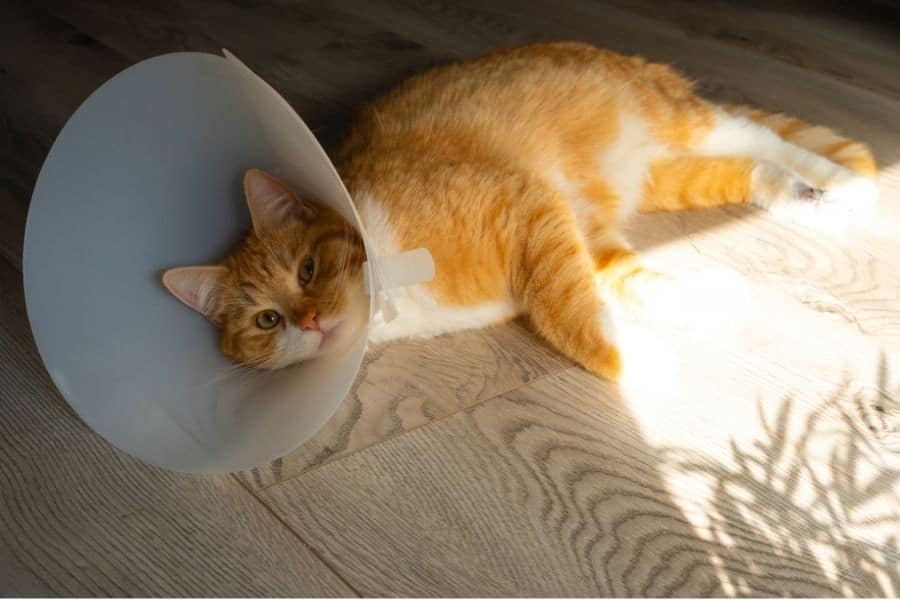
A cat who was sitting in the window one moment and is lying motionless on the floor the next is one of the most frightening things a pet owner can witness. Sudden collapse in cats is never a minor observation. It signals that something significant has disrupted the cardiovascular system, the nervous system, or the body’s metabolic balance. Cats are skilled at concealing illness, which means collapse often represents a crisis that has been building quietly. The window for effective treatment in many collapse scenarios is narrow. Knowing what collapse looks like, what causes it, and why acting immediately matters is the difference between a recoverable crisis and one that is not.
What Sudden Collapse in Cats Actually Means
Collapse in cats refers to a sudden, unexpected inability to remain upright and functional. It can range from a brief episode where the cat goes limp and then recovers to a sustained loss of consciousness that does not self-resolve.
Sudden collapse in cats is never a standalone diagnosis. It is a symptom of an underlying condition that has reached a critical threshold. The most common causes include cardiac events, aortic thromboembolism, severe respiratory compromise, neurological events, extreme hypoglycemia, toxin ingestion, and severe systemic infection. Each of these requires a different treatment approach, which is why getting a collapsed cat to a veterinarian quickly is essential.
Research indicates that cats are significantly more likely to have undetected heart disease than most owners realize. Hypertrophic cardiomyopathy is the most common cardiac condition in cats and often produces no symptoms until a sudden decompensation event occurs.
What Collapse Looks Like and What to Watch For
Not all collapse looks the same. Being able to describe exactly what happened helps your veterinarian assess the likely cause before your cat even arrives at the clinic.
- Sudden inability to stand or rise: A cat who goes from standing to lying down without voluntary movement and cannot get back up is showing a collapse event regardless of whether they appear conscious.
- Limpness in the hind limbs only: Rear leg paralysis or dragging with the front limbs functioning normally points strongly toward aortic thromboembolism, a blood clot lodging at the base of the aorta. The hind limbs often feel cold to the touch.
- Loss of consciousness or unresponsiveness: A cat who does not respond to their name, touch, or sound has lost consciousness and needs immediate transport to a clinic.
- Open-mouth breathing before or after collapse: Respiratory distress combined with sudden weakness signals cardiac or pulmonary involvement and is always a critical combination.
- Pale, white, or blue-tinged gums: Gum color change following any collapse episode reflects circulatory or respiratory failure.
- Seizure-like activity followed by limpness: Sudden muscular jerking followed by a period of unresponsiveness suggests a neurological event.
If you notice any of these signs, contact your veterinarian promptly. Do not attempt to give food, water, or any medication to a collapsed cat before speaking with a veterinary professional.
What Conditions Most Commonly Cause Cats to Collapse?
Cardiac disease is the leading cause of sudden collapse in cats. Hypertrophic cardiomyopathy causes the heart wall to thicken over time, reducing the heart’s ability to fill properly. In many cats, the first visible sign of this disease is a sudden decompensation event, sometimes including collapse or severe respiratory distress.
Aortic thromboembolism occurs when a blood clot forms within the heart and travels to the aorta, blocking blood flow to the hind legs. The onset is abrupt, extremely painful, and causes the sudden rear leg paralysis that is one of the most characteristic presentations of sudden collapse in cats. In Summerville and throughout the South Carolina Lowcountry, the high humidity and heat of summer months can compound cardiovascular stress in cats with underlying heart conditions.
Toxin ingestion, severe blood loss from trauma or internal bleeding, hypoglycemia in diabetic cats on insulin, and neurological events including strokes and brain tumors are additional causes. A common misconception is that a cat who was “acting normally” an hour ago cannot have serious underlying disease. Many cardiac and vascular conditions in cats produce no detectable symptoms until a sudden event occurs.
How Veterinarians Evaluate a Cat After Collapse
The immediate priority is stabilization. Assessment and diagnostics begin while the cat is being supported.
- Rapid physical exam: consciousness level, gum color, heart rate and rhythm, respiratory effort
- Oxygen supplementation if breathing is labored or gum color is abnormal
- IV access and fluid support if circulation is compromised
- Cardiac auscultation and blood pressure measurement
- Chest X-rays and cardiac ultrasound if cardiac disease is suspected
- Bloodwork including glucose, organ function panels, and complete blood count
- Neurological assessment if a central nervous system event is possible
- Targeted treatment initiated based on the most likely cause while diagnostics run
Pet owners often tell us that they waited to see if their cat would get up on their own after a collapse episode. In cases involving cardiac events or aortic thromboembolism, that wait can significantly worsen the outcome.
When Collapse Means Leave for the Clinic Right Now
There is no collapse scenario in a cat where observation at home is the right approach. A cat who has collapsed, lost consciousness, cannot use their hind limbs, or is breathing with their mouth open should be transported to a veterinary clinic immediately. Call on the way if you can, but do not delay transport to complete a phone call first.
Sangaree Animal Hospital at Cane Bay provides urgent care for cats experiencing collapse and other acute conditions. The team is equipped to stabilize a cat quickly, assess the underlying cause through diagnostics, and begin appropriate treatment without delay. For pet urgent care involving sudden collapse or loss of function in your cat, call 843-482-0865. Arriving quickly gives your cat the best possible window for effective treatment.
Conclusion
Sudden collapse in cats is always a signal that demands immediate action. Whether the cause is cardiac, vascular, neurological, or metabolic, the underlying conditions that cause cats to collapse respond best to early intervention. There is no benefit to a wait-and-see approach when your cat is on the floor and cannot get up. Sangaree Animal Hospital at Cane Bay is here to provide the fast, skilled care your cat needs when it matters most. Book an appointment today.
Frequently Asked Questions
Q: Why did my cat suddenly collapse and then seem normal again?
Ans: Brief collapse episodes that self-resolve are called syncope and often reflect a transient cardiac arrhythmia or drop in blood pressure. Even brief episodes need veterinary evaluation, as the underlying cause can produce a more severe event without warning.
Q: What is aortic thromboembolism in cats?
Ans: It is a condition where a blood clot travels from the heart and lodges at the base of the aorta, blocking blood flow to the hind legs. It causes sudden rear leg paralysis, cold limbs, and significant pain. It requires immediate veterinary care.
Q: Can a healthy-seeming cat have heart disease?
Ans: Yes. Hypertrophic cardiomyopathy, the most common heart disease in cats, often produces no detectable symptoms until a sudden decompensation event occurs. Many affected cats appear completely normal until a cardiac episode happens.
Q: How should I transport a cat who has collapsed?
Ans: Keep the cat as flat and still as possible. Place them on a rigid surface like a cutting board if available, or support their body carefully in a carrier or box. Minimize jostling during transport and call the clinic ahead if possible so they can prepare.
Q: What are the survival chances for cats after a collapse event?
Ans: Outcome depends heavily on the underlying cause and how quickly treatment begins. Some causes, such as hypoglycemia, respond well to prompt treatment. Cardiac events and aortic thromboembolism carry more variable outcomes depending on severity and speed of intervention.