1724 State Rd, Suite 5D Summerville, SC 29486
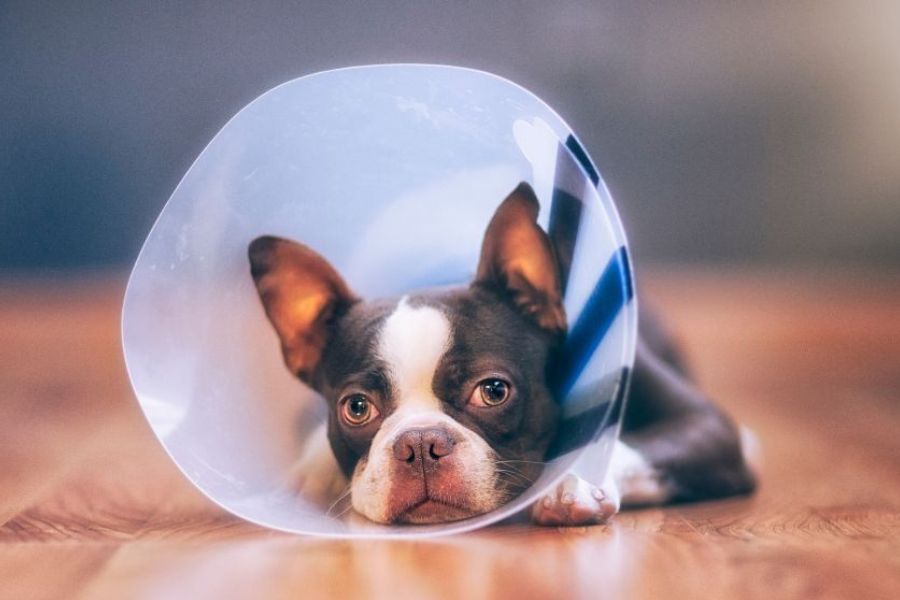
Surgery can feel overwhelming, especially when it involves someone you love. If your vet has recommended pet soft tissue surgery for your dog or cat, it’s completely natural to feel anxious. The good news is that knowing what to expect at every stage makes the process much less stressful for both you and your pet. Soft tissue surgery covers a wide range of procedures, from tumor removals and bladder surgeries to intestinal repairs and wound reconstruction. These procedures are among the most common surgeries performed in veterinary medicine. When performed by experienced hands with proper preparation, outcomes are very good. This guide walks you through every phase of the process, from your first pre-surgical consultation to the final days of recovery, so you can feel confident, prepared, and ready to support your pet every step of the way.
What Is Soft Tissue Surgery and When Does a Pet Need It?
Soft tissue surgery refers to any surgical procedure involving the organs, muscles, skin, or other soft structures of the body, excluding bones and joints. It is one of the most common categories of surgery in veterinary medicine.
Common soft tissue procedures include mass or tumor removals, splenectomies, bladder stone removal, gastrointestinal surgery, wound repair, and reconstruction after trauma. Each procedure varies in complexity, but all require careful planning and skilled surgical technique.
An estimated 1 in 4 dogs will develop a tumor at some point in their lifetime, according to the American Veterinary Medical Association. Early surgical intervention often leads to significantly better outcomes.
Signs your pet may need soft tissue surgery include:
- A visible lump or mass growing under or on the skin that was not there before
- Difficulty urinating or blood in the urine, which can signal bladder stones or a urinary obstruction
- Vomiting repeatedly after eating, which may point to a gastrointestinal blockage
- A wound that is not healing despite proper at-home care and antibiotic treatment
- Sudden, unexplained weight loss paired with decreased energy or appetite
In our experience, pet owners often notice something is “off” with their pet before they can pinpoint the exact problem. Trust that instinct and schedule an exam. Early action matters.
How to Prepare Your Pet Before Surgery
Knowing what to expect before pet surgery helps you feel in control and keeps your pet safer during the procedure.
Your veterinarian will schedule a pre-surgical exam. This typically includes bloodwork, urinalysis, and sometimes imaging such as X-rays or an ultrasound. These diagnostics help confirm your pet is healthy enough for anesthesia and allow the surgical team to plan the best approach.
Here is what the pre-surgery process generally looks like:
- Diagnostic workup: Blood panels and imaging are completed, usually 1 to 7 days before the procedure.
- Fasting instructions: Most pets are fasted for 8 to 12 hours before surgery to reduce the risk of complications from anesthesia.
- Medication review: Your vet will ask about any supplements or medications your pet currently takes. Some need to be paused before surgery.
- Drop-off instructions: You will receive a specific time to bring your pet in on the day of surgery.
- Consent form and discussion: Your surgical team will review the procedure, risks, and anesthesia protocol with you before you leave.
Pre-surgery pet care at home includes keeping your pet calm the night before, removing food at the correct time, and limiting strenuous activity. If your pet takes anxiety medications, ask your vet whether they are safe to continue.
One of the most common questions we get from pet owners is whether their pet will be in pain during surgery. The answer is no. Your pet will be placed under general anesthesia and closely monitored by a trained veterinary technician throughout the entire procedure.
What Happens During Your Pet’s Soft Tissue Procedure?
On the day of surgery, your pet will be admitted to the veterinary team and prepared for the procedure. An intravenous catheter is placed to deliver fluids and medications. Your pet will then be given a pre-anesthetic sedative to help them relax before going under general anesthesia.
Throughout the procedure, vital signs including heart rate, blood pressure, oxygen levels, and body temperature are monitored continuously. This ensures your pet stays stable from the first incision to the final suture.
After the surgery is complete, your pet will move to a recovery area where they are kept warm and comfortable as the anesthesia wears off. The veterinary team watches closely during this phase, as it is a critical window for catching any early complications.
Most pet owners are surprised to learn how smoothly the recovery from anesthesia goes for the majority of pets. Dogs and cats typically regain consciousness within 30 to 60 minutes of surgery ending.
What to Expect During Your Pet’s Recovery at Home
Recovery is where your involvement matters most. Surgery recovery tips for pets start with understanding that rest is the most powerful medicine your pet has.
The first 24 to 48 hours are the most critical. Your pet may be groggy, disoriented, or quieter than usual. This is completely normal after anesthesia.
Here are the most important recovery steps to follow:
- Restrict activity. No running, jumping, or rough play until your vet gives the all-clear. Most soft tissue procedures require 10 to 14 days of restricted activity.
- Protect the incision. Use an e-collar or recovery suit to prevent licking or scratching the wound.
- Monitor the incision site daily. Look for redness, swelling, discharge, or opening of the wound edges. Contact your vet right away if you notice any of these.
- Administer medications as prescribed. Pain management is a critical part of recovery. Never skip doses or substitute human medications.
- Attend all follow-up appointments. Suture removal and wound checks are essential for confirming proper healing.
Surgery recovery tips for pets also include keeping your home quiet and limiting interactions with young children or other animals during the first week. Your pet needs genuine rest to heal well.
We frequently remind our clients that most post-surgical complications happen at home, not in the clinic. Keeping your pet calm and contained is the single most effective thing you can do.
According to the American Animal Hospital Association (AAHA), following your vet’s post-operative instructions precisely is one of the strongest predictors of a successful surgical outcome.
What to Expect After a Pet Surgery at Your Follow-Up Visit
What to expect after pet surgery does not end when you take your pet home. Follow-up care is built into the recovery plan for a reason.
Most soft tissue procedures require a suture removal appointment 10 to 14 days after surgery. At this visit, your vet will examine the incision, assess healing progress, and discuss any next steps, such as biopsy results, further diagnostics, or activity restrictions.
Pet owners in Summerville sometimes feel tempted to skip the follow-up if their pet “seems fine.” This is one of the most common and costly mistakes in post-surgical care. Internal healing takes longer than what you can observe from the outside.
Signs your pet needs to return to the vet before the scheduled follow-up include: persistent lethargy beyond 48 hours, refusal to eat or drink for more than 24 hours, worsening swelling or discharge at the incision site, or any change in breathing.
At Sangaree Animal Hospital at Cane Bay, our surgical team is available to answer questions during recovery and guide you through each phase of healing with clear, honest communication.
Conclusion
Preparing for pet soft tissue surgery is about more than logistics. It is about showing up for your pet with knowledge and calm confidence. When you understand what to expect before, during, and after surgery, you become an active partner in your pet’s recovery. From pre-surgical bloodwork to post-op wound checks, every step of this process is designed with your pet’s safety and comfort in mind. Pets that receive attentive at-home recovery care consistently heal faster and experience fewer complications. If your veterinarian has recommended surgery, do not wait. Early intervention almost always leads to better outcomes. The team at Sangaree Animal Hospital at Cane Bay is here to walk alongside you and your pet every step of the way. Book an appointment today.
Frequently Asked Questions
How long does soft tissue surgery take for dogs and cats?
Ans: Most soft tissue procedures take between 30 minutes and 2 hours, depending on the complexity. Your vet will give you a more specific estimate based on your pet’s procedure. Plan to drop your pet off in the morning and pick them up in the afternoon in most cases.
Is my pet in pain during or after soft tissue surgery?
Ans: Your pet will not feel pain during surgery because they are under general anesthesia. After surgery, your vet will send home appropriate pain medications to keep your pet comfortable during recovery. Never give human pain relievers such as ibuprofen or acetaminophen to pets.
What should I feed my pet after surgery?
Ans: Offer small amounts of water first and wait to see how your pet tolerates it. If there is no vomiting, offer a small, bland meal such as boiled chicken and plain rice within a few hours. Follow your vet’s specific feeding instructions, as some procedures require dietary restrictions during recovery.
When can my pet return to normal activity after soft tissue surgery?
Ans: Most pets need 10 to 14 days of restricted activity following soft tissue surgery. Full activity clearance is typically given at the follow-up appointment once the incision has healed properly. Rushing activity is one of the most common causes of post-surgical setbacks.
How do I know if my pet’s incision is healing properly?
Ans: A healthy incision will appear pink or slightly red in the first few days and gradually close and flatten over one to two weeks. Watch for signs of infection, including yellow or green discharge, increasing redness, warmth at the site, or swelling. Contact your vet promptly if you notice any of these changes.