1724 State Rd, Suite 5D Summerville, SC 29486
Summer heat is not just uncomfortable for your pets. It can be genuinely dangerous. Dogs and cats cannot cool themselves the way humans do, and high temperatures combined with humidity can push their bodies past the breaking point faster than most pet owners expect. The best way to keep pets cool summer after summer is to start early, stay consistent, and know exactly what to watch for before a hot day becomes a health crisis. This guide covers practical cooling strategies for dogs and cats at home, the warning signs that demand immediate attention, and how to build habits that protect your pet all season long. Whether you have a flat-faced breed prone to breathing struggles or an older cat who likes to nap in a sunny window, the steps below are easy to put in place today.
How Do You Keep Pets Cool in Summer Heat?
The most effective way to keep pets cool in summer is to limit heat exposure, provide constant access to fresh water, and use targeted cooling methods inside the home. Shade and hydration are the two non-negotiables. Air conditioning is the single most reliable safeguard for pets in hot climates, and any home without it needs a backup plan in place before temperatures climb.
Start with these core strategies:
- Keep fresh, cold water available at all times. Add ice cubes to the bowl during peak afternoon heat.
- Block direct sunlight through windows where your pet sleeps or rests.
- Set up a cool resting area on tile, wood, or a cooling mat away from carpeting.
- Run fans to move air around your pet’s rest area, even when the AC is running.
- Limit outdoor time to early morning or after sunset when ground temperatures drop.
- Never leave a pet in a parked vehicle, even with windows cracked.
- Offer cooling treats like frozen low-sodium broth or small pieces of watermelon (seedless) to dogs.
These steps take minutes to put in place and make a measurable difference in how your pet handles heat.
Signs of Dog Overheating You Should Never Ignore
Dogs rely heavily on panting to release body heat. When panting is no longer enough, overheating follows quickly. Many dogs we see mid-summer have been showing subtle signs for hours before their owners notice something was wrong.
Watch for these dog overheating signs at home:
- Excessive, frantic panting that does not slow down with rest or shade
- Drooling more than usual, especially thick or stringy saliva
- Red or dark pink gums instead of the normal pale pink color
- Stumbling, disorientation, or sudden weakness
- Vomiting or diarrhea after time outdoors or in a warm room
- Refusal to move, lying down, and unwilling to get up
If you notice any of these signs, move your dog to a cool area immediately, offer small amounts of cool water, and apply cool, damp towels to the neck, armpits, and groin. Contact your nearest veterinarian right away. Dog heatstroke prevention starts at home, but recognizing early signs is what saves lives.
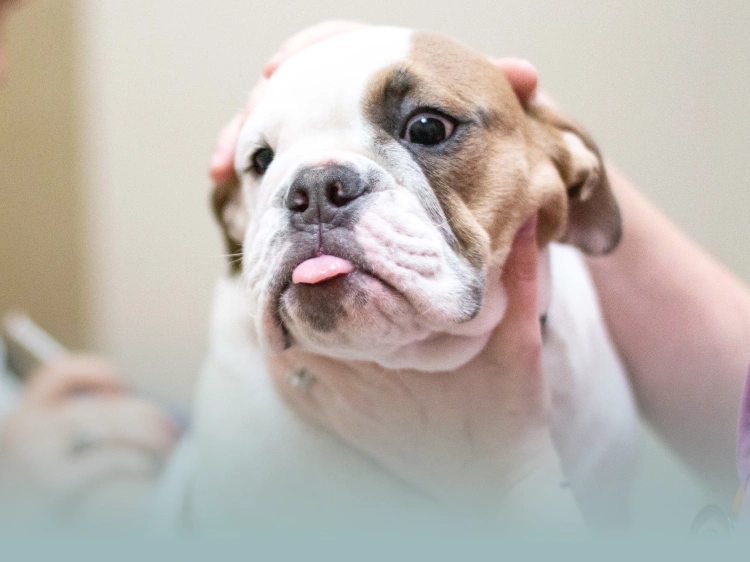
Dogs with flat faces, such as bulldogs, pugs, and French bulldogs, are at especially high risk. Their narrowed airways make it harder to cool down through panting. Senior dogs and overweight dogs also overheat faster and need extra monitoring on hot days.
How to Cool Down a Hot Cat Safely
Cats are quieter about heat stress than dogs, which makes them easier to overlook. A cat that retreats to a cool corner and stays there is likely already uncomfortable. Knowing how to cool down a hot cat before heat stress becomes serious is a skill every cat owner in a warm climate needs.
These strategies work well for cats:
- Dampen a small towel with cool water and gently stroke it along your cat’s back, neck, and paws. Most cats tolerate this well if done calmly.
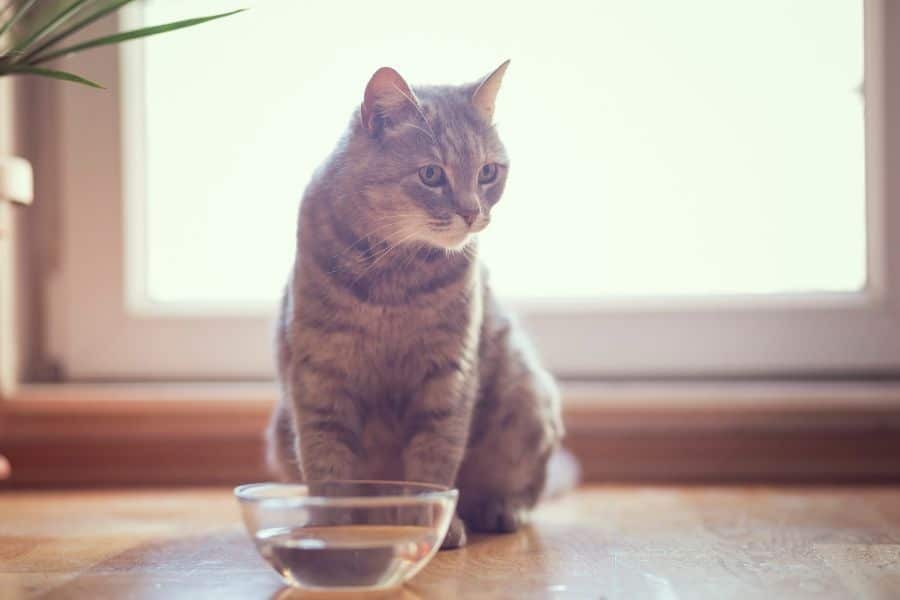
- Place a shallow dish of cool water near their favorite resting spot. Some cats will use it to dip their paws.
- Set up a small battery-operated fan at floor level so cool air reaches them where they lie.
- Offer ice water in a second bowl as an alternative to their regular dish.
- Keep curtains or blinds closed during peak afternoon hours to prevent solar heating in rooms where your cat spends time.
Pet owners often tell us that their cat seemed fine right up until it was not. Unlike dogs, cats rarely pant visibly until heat stress is already advanced. Lethargy, drooling, rapid breathing, and a hot or dry nose are the key warning signs to catch early.
Pet Heat Safety Tips for South Carolina Summers
South Carolina summers are long, humid, and unforgiving. Humidity dramatically reduces a pet’s ability to cool down through panting because moisture in the air slows evaporation. In our experience, the most dangerous days for pets in this region are not necessarily the hottest days on the calendar but the days with both high heat and high humidity.
These pet heat safety tips are especially important in a Southern climate:
- Check pavement temperature before walks. Place the back of your hand on the ground for 5 seconds. If it is too hot for your hand, it is too hot for your dog’s paws.
- Keep outdoor water stations filled. A bowl left in direct sunlight becomes warm within an hour. Use a shaded spot or add ice.
- Schedule grooming appropriately. A summer trim can help some breeds, but shaving too short removes the coat’s natural insulation. Ask your vet before significantly changing your pet’s coat length.
- Know your pet’s baseline. A pet that is normally active, becoming lethargic on a hot day, is a real change, not just laziness.
One misconception we correct regularly: many pet owners believe that if a pet is inside and has water, they are safe in any indoor temperature. An un-air-conditioned room in a South Carolina summer can reach temperatures that cause heat stress in pets within hours.
The vet team at Sangaree Animal Hospital at Cane Bay is here to help you build a summer safety plan that fits your pet’s specific needs, breed, and health history.
When to Call Your Vet About Heat Exposure
Not every hot-weather concern requires a same-day visit, but some situations cannot wait. Knowing the difference is important.
Call your veterinarian the same day if your pet:
- Was panting heavily for more than 30 minutes and did not improve after moving to a cool area
- Vomited or had diarrhea after heat exposure
- Seemed confused, unsteady, or unresponsive, even briefly
- Has a known heart condition, respiratory issue, or chronic illness and was in heat for any extended period
Go in immediately if your pet collapses, loses consciousness, or has pale or blue-tinged gums. These are signs of severe heat stroke and require urgent veterinary attention.
Puppies, kittens, senior pets, and pets with underlying conditions are the most vulnerable. For these animals, even moderate heat exposure deserves a quick call to your vet. Catching heat stress early means a much faster, smoother recovery.
Conclusion
Summer in the South is beautiful, but it demands real preparation when you have pets at home. Keeping fresh water available, limiting midday heat exposure, knowing the warning signs, and staying responsive to changes in your pet’s behavior are the most reliable ways to keep pets cool summer after summer. Small adjustments in your daily routine can prevent serious heat-related illness before it starts. If you have questions about your specific pet’s risk, need help identifying warning signs, or want guidance on summer care for a pet with health conditions, the team at Sangaree Animal Hospital at Cane Bay is ready to help. Book an appointment today.
Frequently Asked Questions
Q: How do I know if my dog is too hot at home?
Ans: Watch for heavy, persistent panting, drooling, red gums, weakness, or vomiting. If your dog cannot settle down after moving to a cool spot or stops responding to water, contact your vet promptly.
Q: What is the safest temperature to keep my house for pets in summer?
Ans: Most dogs and cats are comfortable between 75 and 78 degrees Fahrenheit indoors. Brachycephalic breeds, senior pets, and animals with health conditions do better at the lower end of that range.
Q: Can cats get heatstroke inside the house?
Ans: Yes. A home without air conditioning or with rooms that trap heat from sunlight can reach dangerous temperatures for cats. Signs include drooling, rapid breathing, lethargy, and a hot, dry nose. Move your cat to a cool area and contact your vet if symptoms do not improve within minutes.
Q: Are cooling mats safe for dogs and cats?
Ans: Most cooling mats designed for pets are safe when used as directed. Look for pressure-activated gel mats without chemical fills that could be hazardous if chewed or punctured. Always supervise a pet with any new item initially.
Q: How much water should my dog drink in summer?
Ans: A general guideline is about one ounce of water per pound of body weight daily, though heat and activity level will increase that need. A 50-pound dog may need significantly more on a hot day. Offer fresh water throughout the day and refill bowls frequently.