1724 State Rd, Suite 5D Summerville, SC 29486
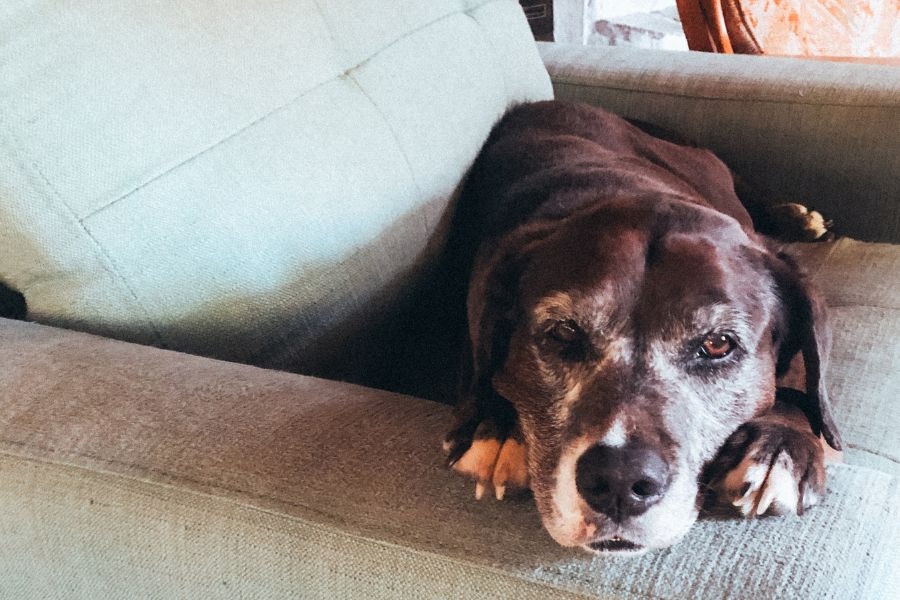
A urinary tract infection can make your dog miserable, and watching them strain to go outside is worrying. Many pet owners feel unsure about what happens next. Do you wait it out? Rush to the vet? Try something at home? The answer is straightforward: get your dog seen as soon as possible. Dog UTI treatment is one of the most common reasons dogs visit the vet, and the good news is that most cases respond well to proper care. This guide walks you through everything you can expect: the signs that point to a UTI, how vets diagnose it, what treatment looks like, and how to help prevent it from coming back. You do not need to guess. You just need the right information.
Signs Your Dog May Have a UTI
Catching a UTI early makes treatment faster and more effective. The tricky part is that some dogs show obvious signs while others barely seem uncomfortable at all.
Watch for these dog urinary tract infection signs:
- Frequent urination with little output: Your dog squats or lifts a leg repeatedly but produces only a small amount of urine each time.
- Straining or whimpering while urinating: This discomfort is one of the clearest signs that something is wrong in the urinary tract.
- Blood in the urine: Urine that appears pink, red, or cloudy is a sign that requires prompt veterinary attention.
- Licking the genital area excessively: Dogs instinctively try to relieve irritation from infection.
- Accidents indoors: A house-trained dog suddenly urinating inside is a red flag worth investigating.
- Strong or unusual urine odor: A foul or sharp smell can point to bacterial activity in the bladder.
In our experience, pet owners often notice the indoor accidents first and assume their dog is acting out. What is actually happening, in many of those cases, is that the dog physically cannot hold it due to bladder irritation. If you notice any of these signs, contact your nearest veterinarian promptly.
How Vets Diagnose a Dog UTI
A proper pet diagnosis is the foundation of effective care. Your vet will not just assume it is a UTI based on symptoms alone, because several conditions, including bladder stones and kidney issues, can look identical from the outside.
Here is what a dog UTI diagnosis at the vet typically involves:
- Physical exam: Your vet will check your dog’s abdomen for tenderness and assess overall health.
- Urinalysis: A urine sample is tested for bacteria, white blood cells, red blood cells, and pH levels. This is the most important diagnostic tool.
- Urine culture and sensitivity: If a bacterial infection is confirmed, this test identifies the exact bacteria present and determines which antibiotic will be most effective.
- Imaging: In some cases, your vet may recommend X-rays or an ultrasound to rule out bladder stones or structural problems that could be contributing to recurring infections.
Pet owners often tell us they are surprised by how thorough the process is. A quick exam alone rarely tells the full story. The urine culture, in particular, is critical because not all bacteria respond to the same antibiotic.
A dog UTI diagnosis at the vet provides accurate answers so your dog gets the right treatment the first time, rather than a repeated cycle of infections and guesswork.
What Does Dog UTI Treatment Actually Involve?
Most UTIs are treated successfully with a course of antibiotics. However, the specific approach depends on what the diagnostic results show.
Antibiotics for dog UTI are the standard treatment for bacterial infections. Your vet will prescribe the antibiotic that targets the specific bacteria identified in the culture. It is important to complete the full course, even if your dog starts feeling better after a few days. Stopping early can allow resistant bacteria to survive and cause a more stubborn infection later.
In addition to antibiotics, your vet may recommend:
- Increased water intake: Flushing the bladder helps clear bacteria more quickly.
- Urinary acidifiers or supplements: Some vets recommend these to support bladder health during recovery.
- Pain relief: If your dog is uncomfortable, your vet may prescribe medication to ease irritation while the antibiotic takes effect.
- A follow-up urinalysis: This confirms the infection has fully cleared before treatment ends.
Antibiotics for dog’s UTI should always be selected based on culture results when available. Broad-spectrum antibiotics given without sensitivity testing can miss the mark and contribute to antibiotic resistance over time.
Insight from Dr. Taylor Bartolec on Dog UTIs
Dr. Taylor Bartolec, a veterinarian at Sangaree Animal Hospital at Cane Bay, emphasizes that UTIs in dogs are often misunderstood by pet owners. Many people assume a UTI will resolve on its own, similar to mild digestive upset, but bacterial bladder infections rarely clear without antibiotics. Dr. Bartolec also highlights that female dogs are significantly more prone to UTIs due to their shorter urethra, which gives bacteria a shorter path to travel to the bladder. She advises clients to watch for recurring infections closely, since repeated UTIs can signal an underlying issue such as bladder stones, hormonal changes, or a structural abnormality that needs further evaluation. Getting a proper culture, not just a urinalysis, is something Dr. Bartolec consistently recommends, because it allows for targeted, effective antibiotic selection rather than a one-size-fits-all approach.
Does Your Dog Keep Getting UTIs? What to Know
Some dogs experience a single UTI and never have another. Others face recurring infections throughout their lives. In South Carolina, the warm and humid climate can contribute to conditions that make dogs more vulnerable to bacterial infections year-round, so staying on top of preventive care is especially important.
One of the most common questions we get from pet owners is whether diet makes a difference. It can. Dogs that do not drink enough water have more concentrated urine, which creates a better environment for bacteria to thrive. Encouraging water intake is one of the simplest preventive tools available.
Here are practical dog UTI prevention tips:
- Always provide fresh, clean water at multiple locations in your home.
- Take your dog outside for bathroom breaks frequently, especially after meals.
- Keep the area around the genitals clean, especially in female dogs and long-haired breeds.
- Feed a balanced diet appropriate to your dog’s age and health status.
- Schedule regular wellness visits so your vet can catch early changes in urinary health.
Many pet owners assume that once the infection clears, the problem is gone for good. That is true in many cases. But dogs with recurring UTIs need a deeper evaluation to find the root cause. Following your vet’s dog UTI prevention tips consistently is the most effective long-term strategy.
Conclusion
A UTI is uncomfortable for your dog and stressful for you, but it is also very treatable with the right veterinary care. Early diagnosis, a targeted antibiotic, and a follow-up check are the key pieces of effective dog UTI treatment. Do not wait to see if it clears up on its own. The sooner your dog is evaluated, the faster they will feel better. At Sangaree Animal Hospital at Cane Bay, our vet team is here to give your dog the thorough, compassionate care they deserve. Book an appointment today.
Frequently Asked Questions
Q: How do I know if my dog has a UTI?
Ans: Common signs include frequent urination with little output, straining while urinating, blood in the urine, indoor accidents, and excessive licking of the genital area. If you notice any of these, schedule a vet visit promptly.
Q: Can a dog’s UTI go away on its own without treatment?
Ans: Most bacterial UTIs do not resolve without antibiotic treatment. Waiting can allow the infection to worsen or spread to the kidneys, so veterinary care is always recommended.
Q: How long does dog UTI treatment take?
Ans: Most antibiotic courses last 7 to 14 days, depending on the severity of the infection and the type of bacteria involved. Your vet will recommend a follow-up urinalysis to confirm the infection has cleared.
Q: Why does my dog keep getting UTIs?
Ans: Recurring UTIs can point to underlying issues such as bladder stones, hormonal imbalances, anatomical factors, or a compromised immune system. Your vet may recommend additional testing if infections keep coming back.
Q: What can I do at home to prevent UTIs in my dog?
Ans: Keep fresh water available at all times, take your dog outside for frequent bathroom breaks, maintain genital hygiene, especially in female dogs, and schedule regular wellness exams so your vet can monitor urinary health.