1724 State Rd, Suite 5D Summerville, SC 29486
Dental care for pets is one of the most overlooked aspects of pet health, yet it plays a major role in your pet’s overall well-being. Poor oral hygiene can lead to bad breath, gum disease, tooth loss, and even serious health issues affecting the heart, liver, and kidneys.
In this guide, we will explain why dental care for pets is important, the benefits of regular oral care, warning signs of dental problems, and practical tips to keep your pet’s teeth healthy at home. Whether you have a dog or a cat, these expert-backed tips will help you maintain your pet’s oral health and prevent costly dental issues.
Why Dental Care for Pets Is Important
Many pet owners assume that dental care is only necessary when there is visible damage or bad breath. However, dental disease often develops silently and worsens over time. By age three, most dogs and cats show early signs of dental disease.
Here is why dental care for pets matters:
- Prevents plaque and tartar buildup
- Reduces the risk of gum disease
- Prevents tooth loss
- Improves breath odor
- Supports overall health
- Reduces pain and discomfort
When plaque accumulates on your pet’s teeth, it hardens into tartar. This leads to inflammation of the gums, known as gingivitis. If untreated, gingivitis can progress into periodontal disease, which can damage teeth and surrounding tissues.
Bacteria from dental infections can also enter the bloodstream and affect vital organs. This is why regular dental care is not just about clean teeth; it is essential for your pet’s long-term health.
Common Signs of Dental Problems in Pets
Pets cannot tell us when they are experiencing dental pain. Recognizing early warning signs can help prevent serious complications.
Look for these common signs:
- Bad breath
- Yellow or brown tartar buildup
- Red or swollen gums
- Drooling more than usual
- Difficulty chewing
- Loss of appetite
- Pawing at the mouth
- Loose or missing teeth
If you notice any of these symptoms, it is important to schedule a dental exam. Early treatment can prevent pain and expensive procedures later.
Benefits of Regular Dental Care for Pets
Providing consistent dental care for pets offers many long-term benefits. It improves not only oral health but also overall quality of life.
Better Overall Health
Dental disease is linked to several health issues. Bacteria from infected gums can travel through the bloodstream and affect major organs.
Regular dental care helps reduce the risks of:
- Heart disease
- Kidney problems
- Liver infections
- Respiratory issues
Fresher Breath
Bad breath is often the first sign of dental disease. Regular brushing and professional cleanings help keep your pet’s breath fresh.
Pain Prevention
Dental disease can cause severe discomfort. Pets often hide pain, which makes dental care even more important. Preventive care helps avoid painful infections and tooth loss.
Lower Veterinary Costs
Preventive dental care is more affordable than advanced treatments. Regular cleanings and exams help detect issues early and reduce the need for surgeries.
How Often Should Pets Get Dental Care?
The frequency of dental care for pets depends on your pet’s age, breed, and overall health.
General guidelines include:
- Daily tooth brushing at home
- Dental chews several times per week
- Professional dental exams once per year
- Professional cleanings as recommended by your veterinarian
Some breeds are more prone to dental problems. Small dogs, flat-faced breeds, and older pets often require more frequent dental care.
Your veterinarian can recommend a customized dental care schedule based on your pet’s needs.
Best At-Home Dental Care Tips for Pets
Maintaining your pet’s oral hygiene at home is essential. These simple tips can make a big difference.
Brush Your Pet’s Teeth Regularly
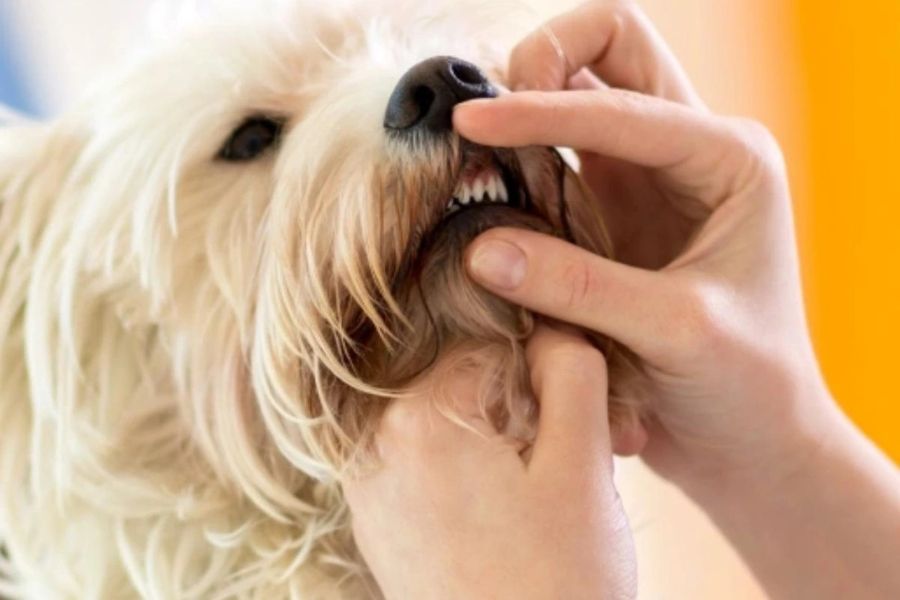
Brushing is the most effective way to remove plaque. Use pet-safe toothpaste and a soft toothbrush designed for pets.
Tips for brushing:
- Start slowly and be patient
- Use positive reinforcement
- Brush in gentle circular motions
- Focus on the outer surfaces of teeth
- Aim for daily brushing
Never use human toothpaste, as it contains ingredients that can be harmful to pets.
Use Dental Chews and Treats
Dental chews help reduce plaque and tartar buildup. Choose products approved by veterinarians and designed for your pet’s size.
Benefits of dental chews:
- Reduces plaque buildup
- Promotes chewing activity
- Freshens breath
- Supports gum health
Provide Dental-Friendly Toys
Chew toys help clean teeth naturally. Rubber toys and textured dental toys are great options.
Avoid hard items like bones or antlers, as they may damage teeth.
Use Water Additives
Water additives are easy to use and help reduce bacteria in your pet’s mouth. They can be added directly to your pet’s drinking water.
These products help:
- Freshen breath
- Reduce plaque buildup
- Support oral hygiene
Professional Dental Cleaning for Pets
Even with great home care, pets still need professional dental cleanings. These cleanings remove tartar below the gumline, which cannot be cleaned at home.
Professional dental cleaning typically includes:
- Oral examination
- Scaling and polishing
- Gum health evaluation
- Tooth extraction if necessary
- Dental X-rays, when needed
Professional cleanings are usually performed under anesthesia to ensure safety and comfort. This allows veterinarians to thoroughly clean and evaluate your pet’s teeth.
Pets at Higher Risk for Dental Disease
Some pets are more likely to develop dental issues. Knowing if your pet is at higher risk helps you take preventive action.
Higher risk pets include:
- Small breed dogs
- Senior pets
- Flat-faced breeds
- Pets with crowded teeth
- Pets with a poor diet
- Pets with underlying health conditions
If your pet falls into one of these categories, regular dental exams are especially important.
Diet and Dental Health for Pets
Your pet’s diet plays a significant role in oral health. Certain foods help reduce plaque buildup and support healthy teeth.
Dental-friendly diet tips:
- Choose high-quality dry food
- Avoid sticky treats
- Limit table scraps
- Offer dental treats approved by veterinarians
- Provide fresh water daily
Dry kibble helps scrape plaque from teeth, while soft and sticky foods may contribute to buildup.
When to Schedule a Dental Checkup
Routine dental exams help detect problems early. Most pets should have a dental exam at least once a year.
Schedule a dental visit if you notice:
- Persistent bad breath
- Bleeding gums
- Tooth discoloration
- Difficulty eating
- Loose teeth
Early intervention helps prevent pain and serious health issues.
Dental health is a vital part of your pet’s overall wellness. Regular brushing, dental chews, proper diet, and professional cleanings can prevent serious dental issues and improve your pet’s quality of life. By prioritizing dental care for pets, you can help your furry companion stay healthy, comfortable, and happy for years to come.
If your pet is due for a dental exam, contact Sangaree Animal Hospital at Cane Bay in Summerville, SC, today to schedule an appointment and keep your pet’s smile healthy.
FAQs
1. How often should I brush my pet’s teeth?
Ans: Ideally, you should brush your pet’s teeth daily. If daily brushing is not possible, aim for at least three times per week for effective dental care for pets.
2. What happens if I don’t provide dental care for pets?
Ans: Without dental care, pets can develop plaque buildup, gum disease, tooth loss, and infections that may affect major organs.
3. Are dental chews effective for pets?
Ans: Yes, dental chews can help reduce plaque and tartar buildup, but they should be used along with brushing and regular dental exams.
4. Do pets need professional dental cleanings?
Ans: Yes, professional cleanings remove tartar below the gumline and help prevent serious dental diseases.
5. What are the early signs of dental disease in pets?
Ans: Common signs include bad breath, swollen gums, difficulty eating, drooling, and yellow or brown buildup on teeth.