1724 State Rd, Suite 5D Summerville, SC 29486
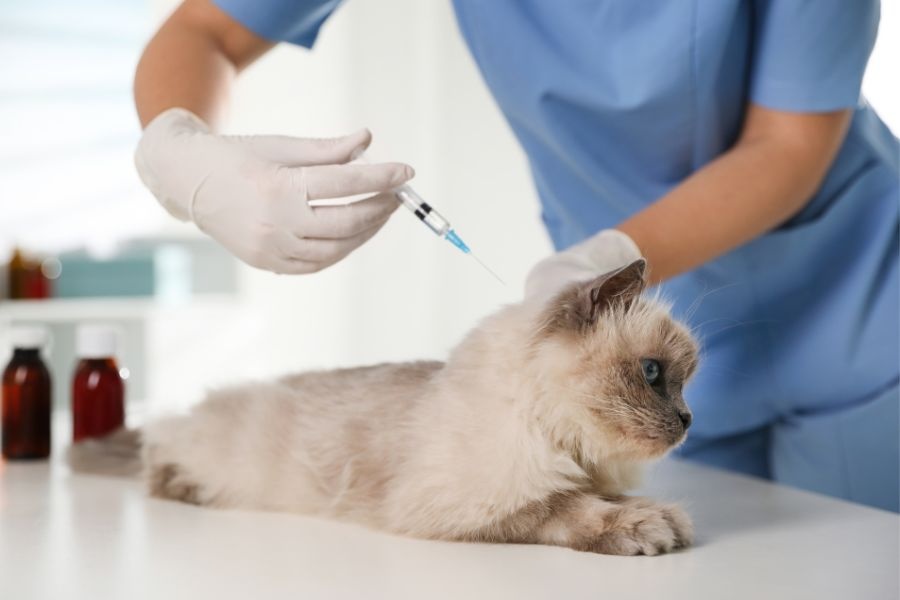
Cat rabies vaccination is one of the most critical steps in protecting your feline companion from a deadly virus. Whether your cat stays indoors or explores the outdoors, rabies vaccination is essential for their safety and public health. In this guide, we’ll cover everything you need to know about the rabies vaccine for cats, including schedules, benefits, legal requirements, and why it’s a core part of cat preventive care.
What Is Rabies and Why Is It Dangerous for Cats?
Rabies is a viral disease that affects the central nervous system of mammals, including cats and humans. It spreads primarily through bites from infected animals such as raccoons, bats, and foxes wildlife commonly found in South Carolina.
Once symptoms appear, rabies is almost always fatal. That’s why cat rabies vaccination is not just recommended, it’s essential.
Key Risks of Rabies:
- Attacks the brain and spinal cord
- Can spread to humans (zoonotic disease)
- No cure once symptoms begin
Vaccination is the only reliable protection against this deadly virus.
Is Cat Rabies Vaccination Required by Law?
Yes, in most states, including South Carolina, rabies vaccination for cats is legally required. Local authorities enforce these laws to prevent outbreaks and protect both pets and people.
Why It’s Legally Required:
- Prevents transmission to humans
- Controls rabies in local animal populations
- Ensures community safety
Failing to vaccinate your cat can lead to fines or legal consequences, especially if your pet bites someone.
When Should Cats Get Their Rabies Vaccine?
Timing is crucial when it comes to the rabies vaccine for cats. Following the correct vaccination schedule ensures maximum protection.
Typical Vaccination Schedule:
- First dose: Around 12–16 weeks of age
- Booster shot: 1 year after the initial dose
- Ongoing boosters: Every 1–3 years, depending on vaccine type and local regulations
Your veterinarian will recommend the best schedule based on your cat’s age, lifestyle, and health status.
Do Indoor Cats Need a Rabies Vaccine?
Many cat owners assume indoor cats are safe—but that’s not entirely true. Even if your cat never leaves the house, exposure is still possible.
Reasons Indoor Cats Still Need Rabies Vaccination:
- Bats or rodents can enter your home
- Cats may escape accidentally
- Legal requirements still apply
- Emergencies (like bites) require proof of vaccination
An indoor cat rabies vaccine is just as important as it is for outdoor cats.
How Does the Rabies Vaccine Work?
The rabies vaccine for cats stimulates your cat’s immune system to recognize and fight the virus if exposed.
What Happens After Vaccination:
- The body produces antibodies against rabies
- Immune memory is developed
- Protection builds within a few weeks
Vaccinated cats are highly protected, making the vaccine extremely effective.
Are There Any Side Effects of Cat Rabies Vaccination?
Most cats tolerate the vaccine very well, but mild side effects can occur.
Common Side Effects:
- Mild fever
- Temporary lethargy
- Slight swelling at injection site
Rare Side Effects:
- Allergic reactions (vomiting, swelling, difficulty breathing)
- Injection-site tumors (very rare)
If you notice unusual symptoms after vaccination, contact your veterinarian immediately.
What Happens If a Cat Is Not Vaccinated?
Skipping cat rabies vaccination can have serious consequences.
Risks of Not Vaccinating:
- High risk of fatal infection
- Mandatory quarantine if exposed
- Possible euthanasia if rabies is suspected
- Legal penalties
In areas where wildlife exposure is possible, vaccination is critical for safety.
Rabies Vaccination and Overall Cat Preventive Care
Rabies vaccination is just one component of a complete preventive care plan.
Other Essential Preventive Measures:
- Annual wellness exams
- Core vaccines (like FVRCP)
- Parasite prevention (fleas, ticks, worms)
- Dental care
- Proper nutrition
Regular vet visits ensure your cat stays healthy and up to date on all necessary vaccinations.
Local Risks: Why Rabies Vaccination Matters
Summerville and the surrounding areas have abundant wildlife, increasing the risk of rabies exposure.
Local Risk Factors:
- Raccoons and foxes in residential areas
- Bats entering homes
- Outdoor cats encountering wildlife
Even suburban neighborhoods are not immune, making cat rabies vaccination a vital precaution.
Tips to Keep Your Cat Safe from Rabies
In addition to vaccination, you can take extra steps to reduce your cat’s risk.
Safety Tips:
- Keep your cat indoors whenever possible
- Avoid contact with wild or stray animals
- Secure trash and food sources that attract wildlife
- Ensure windows and screens are properly sealed
Combining these precautions with vaccination provides the best protection.
How to Prepare Your Cat for Vaccination
A little preparation can make the vaccination visit stress-free for both you and your cat.
Before the Appointment:
- Keep your cat calm and comfortable
- Use a secure carrier
- Bring previous medical records
After the Appointment:
- Monitor for side effects
- Provide a quiet resting space
- Offer water and food as usual
Most cats recover quickly and return to normal behavior within a day.
Conclusion
Cat rabies vaccination is a simple yet life-saving step every cat owner must take. From protecting your pet against a fatal disease to complying with local laws, the benefits are undeniable. Even indoor cats need protection, as unexpected exposure can happen at any time.
At Sangaree Animal Hospital at Cane Bay, ensuring your pet receives proper vaccinations is a key part of responsible pet ownership. Stay proactive with your cat’s health—schedule their rabies vaccination today and keep them safe for years to come. Book an appointment with us and give your cat the protection they deserve.
FAQs
Q1: How often do cats need a rabies vaccine?
Ans: Cats typically need a booster one year after the first shot, then every one to three years depending on the vaccine type and local regulations.
Q2: Is the rabies vaccine safe for kittens?
Ans: Yes, the rabies vaccine is safe for kittens over 12 weeks old and is essential for early protection against this fatal disease.
Q3: Can an indoor cat skip rabies vaccination?
Ans: No, indoor cats still need vaccination due to possible exposure to bats or accidental escapes, and it’s often legally required.
Q4: What should I do if my unvaccinated cat is bitten?
Ans: Seek immediate veterinary care. Your cat may need quarantine or emergency vaccination depending on the situation and local laws.
Q5: Are rabies vaccines mandatory in South Carolina?
Ans: Yes, rabies vaccination is legally required for cats in South Carolina to protect both public health and animal populations.